inKind
- 4.8
- Rating
- 500.00K
- Installs
- Free
- Price

 Analysis by App-foxy
When I first tried inKind, I understood its appeal quickly: it is a Food & Drink app built around getting money back when I pay at participating restaurants. The central promise is simple, but the useful question is not whether a discount sounds good. It is whether the saving fits naturally into the way I already choose restaurants, pay the bill, and plan meals.
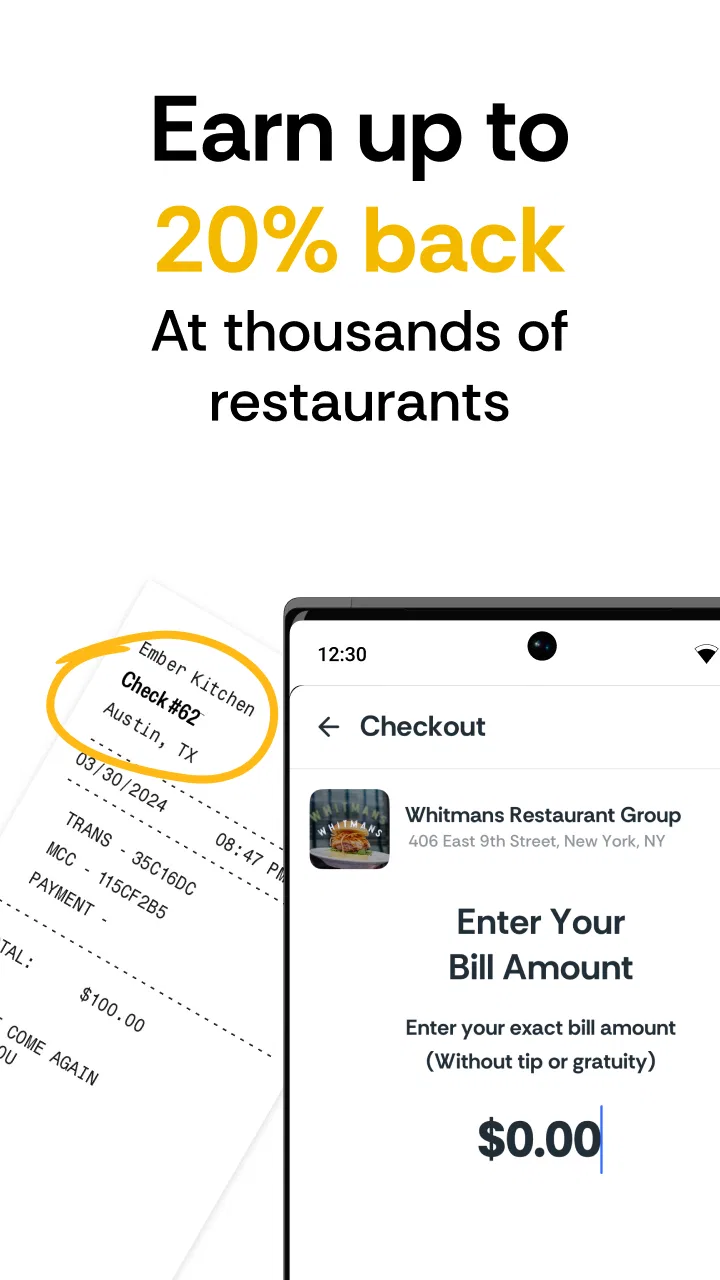
In my experience, that is where this app makes the strongest case. It can turn a restaurant visit I was already going to make into a better-value purchase, rather than asking me to change my entire routine. The headline benefit is 20% back at thousands of restaurants rated 4 stars or higher when payment is made through inKind. That makes it more interesting than a basic restaurant directory, because the payment step is part of the value rather than an afterthought.
At the same time, I would not treat it as an automatic discount for every meal. The benefit depends on choosing a participating restaurant and completing the payment in the expected way. If I open the app only after sitting down, without checking whether the restaurant is included or whether the offer suits that visit, the experience can feel less convenient than simply paying with my usual method. My overall view is positive, but the savings work best when I use the app deliberately.
You May Also Like

 Blood Strike: 2.5 Anniversary
Blood Strike’s Loadouts Turn Every Drop Into a Tactical Gamble
A close look at Blood Strike’s custom loadouts: how fast access to signature weapons reshapes its battle royale rhythm, rewards preparation, and narrows the gap between fights.

 Pandora - Music & Podcasts
Pandora’s Music Is Easy to Start, but Harder to Recover
Pandora’s strength is its low-effort path from a seed to a station. Its weak spot is how much confidence it asks you to place in connection, setup, and quiet recovery.

 8 Ball Pool
 Is Built on Rivalries, Rematches, and Routine
A close look at the rivalries, rematches, shared routines, and unanswered safety questions that turn a quick pool match into a persistent mobile community.

 Samsung Music
’s Quiet Strength Is Playing What You Already Own
Its reach comes less from spectacle than from dependable access to a personal library. That simplicity is both the app’s strongest retention engine and its ceiling.

 AccuWeather: Weather Radar
AccuWeather Review: A Quick, Clear Forecast for Everyday Decisions
For everyday plans, the best forecast is the one you can understand quickly. AccuWeather makes rain timing, radar, and local conditions easy to act on, with a few trade-offs.

 Hill Climb Racing
Why Hill Climb Racing Still Turns Crashes Into One More Run
A tiny car, a bumpy hill and one more upgrade: Hill Climb Racing keeps resurfacing because its simple chaos makes every near-miss feel personal.
More From Our News Desk
View All News


How the restaurant credit changes the way I pay
I find the credit most useful when I decide how to pay before the meal is over, rather than treating it as something to sort out at the table. That makes a quick connectivity check part of planning: I can confirm the restaurant and leave myself a familiar payment option if the app is slow or the connection is unreliable. Next, I’d look at how that small bit of preparation plays out across different places and dining situations.
The main capability is useful because it connects discovery with payment
Most restaurant apps focus on one part of the experience. A map helps me find somewhere to eat. A reservation service helps me secure a table. A loyalty program tracks visits or points. inKind combines the restaurant-search mindset with a payment-based reward: I look for a suitable place, confirm that it participates, and then use the app when settling the bill.
That sequence matters. The 20% back is not merely a coupon I remember to show at the door. It is tied to paying with inKind, so I need to think about the app before the transaction is finished. I found this easier when I made the restaurant choice in advance. It was less comfortable when a group spontaneously picked a place and everyone was already ready to leave.
The app is free, which removes one obvious barrier to trying it. It is also rated for Everyone, so it is positioned as a broadly accessible consumer app rather than something aimed at a narrow age group. The developer is inKind, and the app has built a substantial audience, with over 500 thousand installs and a 4.9 average from around 11 thousand ratings. Those figures do not replace my own judgment, but they do suggest that the basic concept is landing well with many diners.
I see the biggest practical difference compared with ordinary cashback cards in the restaurant-specific focus. A general card may reward a purchase automatically, but it usually does not help me decide where to eat. inKind encourages me to check the available restaurant choices first. Compared with a restaurant reservation app, it is more directly concerned with the bill. Compared with a traditional loyalty scheme, it can be useful even when I am not trying to return to the same restaurant repeatedly.
What I would check before relying on the saving
My first habit would be to open the app before leaving home, not when the server brings the bill. I would search for the restaurant, inspect whether it is available, and make sure the location is the one I intend to visit. This small step avoids a common kind of disappointment: assuming that a familiar restaurant participates everywhere or that a nearby branch has the same availability.
I would also decide in advance who is paying. If I am dining alone, the process is straightforward. With friends, the payment arrangement becomes more important. One person may need to handle the restaurant payment while the group settles up separately. That is not necessarily a problem, but it can add a layer of coordination that does not exist when everyone simply pays their own share with a card or mobile wallet.
Another useful habit is to treat the app as part of the payment plan, not as a passive reward tracker. I would keep my phone charged, make sure I can sign in, and avoid waiting until the last moment to understand the payment flow. I do not need to overcomplicate a meal, but any service that sits between me and the final bill deserves a quick check before the meal begins.
A realistic dinner example
Imagine I am meeting a friend for dinner and already expect to spend more than I would on a quick takeaway. Before heading out, I search the neighborhood in inKind and find a participating restaurant with a strong rating. I choose it because I like the menu, while the potential money back makes the decision easier. Once we finish eating, I use the app for the restaurant payment instead of reaching immediately for my regular card.
In that situation, the benefit feels natural because the app influenced the choice without controlling it. I was not driving across town for a discount that erased the value of my time. I was selecting a suitable restaurant nearby and using the available payment route. That is the kind of use case where I think inKind is strongest: planned meals, moderately expensive outings, and places I would genuinely enjoy even without the reward.
The same dinner becomes more complicated if my friend wants to pay separately, if the restaurant is not listed when we arrive, or if I have not checked the app beforehand. The value is still attractive, but the social and practical details can outweigh a simple saving. For group meals, I would tell the others in advance that I intend to use inKind and agree on how we will divide the final amount.
Why the restaurant rating detail matters
The focus on restaurants rated 4 stars or higher gives the offer a useful quality filter. I would rather browse a smaller set of places that appear well regarded than chase a discount at any venue without considering the dining experience. It also changes how I interpret the app: this is not only about paying less, but about finding a restaurant that meets a reasonable standard and then making the bill more efficient.
Still, a rating threshold is not a substitute for checking whether a place suits me. A restaurant can be popular and still have a menu that does not work for my dietary needs, a location that is inconvenient, or an atmosphere that is wrong for the occasion. I would use the rating as an initial filter, then make the final choice based on cuisine, distance, availability, and the people I am dining with.
Where the app is more helpful than the usual alternatives
For someone who already uses a credit card with restaurant rewards, inKind may seem redundant at first. The difference is that a card reward is usually automatic and broad, while this app asks me to choose from participating restaurants and pay through its own system. If I value convenience above everything else, my card may remain the better option. If I enjoy planning meals and want the restaurant choice itself to be part of the saving, inKind offers something more targeted.
It also differs from clipping digital coupons. A coupon often requires me to remember a code or show an offer, while inKind places the emphasis on completing the payment through the app. That can feel cleaner once I understand the routine. On the other hand, it means the app is more central to the transaction, so a poor connection, a forgotten login, or uncertainty at the restaurant can be more disruptive than with a coupon that is already printed or saved.
Compared with restaurant loyalty cards, the appeal is flexibility. I do not have to build toward a future free item at one favorite place before seeing any value. The trade-off is that the benefit may be less predictable from visit to visit because it depends on the participating restaurants I choose. Regulars who always eat at one independent restaurant may prefer that restaurant’s own loyalty program if it offers rewards tailored to repeat visits.
Small workflow choices that make a noticeable difference
The first non-obvious tip I would give is to search before making the reservation or committing to a neighborhood. If I plan the restaurant first and check the app later, I may discover that the best option for my evening is not included. Reversing the order lets me use the restaurant list as one input in the decision without allowing the reward to become the only reason I go somewhere.
Second, I would use inKind more intentionally for occasions where the bill is large enough for the reward to matter, but not so complicated that splitting it becomes stressful. A solo dinner, a meal with one other person, or a planned family outing is easier to manage than a large group with several payment preferences. This is a trade-off many store summaries do not make clear: the app may be financially stronger as the bill grows, while the payment logistics can also become more demanding.
Third, I would keep a backup payment method available. That is not a criticism unique to inKind; it is sensible whenever a phone app is involved in settling a bill. If the restaurant search does not match the location, the app behaves differently than expected, or I simply decide not to use it, I do not want the dinner to become an awkward technical exercise. The reward should improve the meal, not dominate it.
A fourth useful approach is to judge the saving against the whole outing. If using the app leads me to choose a restaurant that is much farther away, requires extra transport, or encourages me to order more than planned, the apparent benefit may be less meaningful. I would compare the final experience and total spending with the nearby alternative, rather than assuming that a percentage back automatically means I made the cheaper choice.
Limitations I noticed in the concept
The main limitation is dependence on participating restaurants. The app can be valuable in a city or neighborhood with plenty of suitable options, but less useful if the restaurants I actually visit are absent. A large headline selection does not guarantee that my favorite café, the place near work, or the restaurant chosen by my friends will be available at the moment I need it.
The second limitation is habit. I am used to paying quickly with a card or mobile wallet, and any extra payment step can feel unnecessary when I am in a hurry. The app earns its place when the reward is meaningful and the restaurant choice is already compatible with it. For a quick coffee, an unplanned snack, or a meal where another person is handling the bill, I might prefer the familiar payment method.
There is also a social friction that does not appear in a simple solo purchase. Friends may not want to install an app, wait while I arrange payment, or change how they divide the bill. I would not make inKind the center of every group outing. Instead, I would use it when one person is comfortable paying the restaurant bill and everyone agrees on the reimbursement afterward.
Finally, the app encourages me to think about restaurants through its own available selection. That is useful for discovering options, but it can narrow my attention if I become too focused on the reward. I would still choose based on food, location, accessibility, and the occasion. Saving money is a poor trade if the restaurant is wrong for the people at the table.
Who gets the most value from inKind
I think the best audience is someone who eats at restaurants often enough to notice recurring savings, enjoys trying different places, and is comfortable checking an app before paying. People who plan date nights, weekend meals, or dinners with friends may find the restaurant-focused approach especially practical. The free price also makes experimentation easy: I can test the process without committing to a subscription.
It may also suit travelers or newcomers who want a starting point for finding well-rated restaurants while keeping an eye on the bill. I would still verify the specific location before making plans, but the combination of discovery and payment gives the app more purpose than a standalone list of restaurants. It can help turn an unfamiliar dining decision into a more structured one.
People who should probably skip it are those who want completely automatic rewards with no change to their payment habits. If I never want to check participation, use a dedicated payment flow, or coordinate with companions, a regular card reward may be a better fit. The same is true for diners who return to one restaurant almost exclusively and already receive a strong benefit from that restaurant’s own loyalty system.
Device support, maturity, and everyday confidence
inKind has been available since August 13, 2018, and its current version is 6.39.1. It supports Android 7.0 and later, which gives it a reasonably broad reach among Android users with older devices. I appreciate that this is not a brand-new experiment with an untested idea; the app has had time to develop around a clear restaurant-payment purpose.
The rating of 4.9, based on around 11 thousand ratings and about 1.2 thousand written reviews, is encouraging. I would read that as evidence that many people find the core experience satisfying, not as a guarantee that every restaurant visit will be effortless. App quality and restaurant participation are separate parts of the experience, and the second one is outside my control on a particular evening.
The Everyone content rating makes the app easy to recommend within a household, although the practical value still depends on who is paying and where they dine. I would introduce it to a friend by explaining the workflow rather than just saying that it gives money back: search first, choose a participating restaurant, and use the app at payment time. That explanation sets a more realistic expectation.
My final recommendation after using it
inKind succeeds because it gives one capability a clear job: help me get more value from restaurant payments while guiding me toward participating, well-rated places. I like that the reward is connected to a real dining decision instead of being buried in a complicated points system. When I plan ahead and use it for a suitable meal, the process feels worthwhile and the saving can make a noticeable difference.
I would not use it blindly for every restaurant visit. The need to confirm participation, arrange payment, and consider group dynamics means convenience is not automatic. For spontaneous meals or very small purchases, my normal card may be simpler. For a planned dinner where I already want to eat at an eligible restaurant, however, the app has a convincing advantage.
My recommendation is therefore practical rather than absolute: download this free Food & Drink app if you are willing to check restaurants before you go and pay through inKind when the match is right. The strongest result comes from treating the reward as a bonus on a meal you already want, not as a reason to force an inconvenient restaurant choice. Used that way, it feels like a useful addition to my dining routine rather than another app demanding attention.
FAQs for inKind
01What is inKind and how does it work?
inKind is a unique app designed to enhance the dining experience by allowing users to purchase restaurant credit, which can then be redeemed at participating venues. Users can explore a variety of dining options, buy credit for their favorite places, and enjoy exclusive rewards and bonuses, making dining out more affordable and enjoyable.
02Is inKind available for both Android and iOS?
Yes, inKind is available for download on both Android and iOS platforms. Users can easily find the app on the Google Play Store for Android devices and the Apple App Store for iOS devices, ensuring accessibility for a wide range of smartphone users.
03How secure is the payment process on inKind?
inKind is committed to providing a secure payment experience. The app uses advanced encryption technology to protect users' financial information during transactions. Additionally, inKind partners with reputable payment processors to ensure that all transactions are handled safely and securely, giving users peace of mind.
04What kind of rewards can users expect from inKind?
With inKind, users can enjoy a variety of rewards, such as bonus credits, exclusive dining deals, and special event invitations. These rewards are designed to enhance the dining experience and provide additional value to users who frequently dine at participating restaurants, making it a rewarding choice for food enthusiasts.
05Can I use inKind at any restaurant?
inKind can only be used at participating restaurants that are part of the inKind network. The app provides a comprehensive list of all available venues, allowing users to explore and choose from a variety of dining options. This ensures that users can plan their meals and use their credits effectively.
Pros
- User-friendly interface and navigation.
- Wide range of partner restaurants.
- Easy payment and billing options.
- In-app customer support available.
- Regular updates and improvements.
Cons
- Limited to specific geographical areas.
- Occasional app crashes reported.
- Some features require premium access.
- Limited customization options.
- Notifications can be overwhelming.

inKind
Gallery